Cheap travel tips that actually move the total
The short answer
The cheap travel tips that move the total most are travelling in shoulder season, staying longer in fewer places, cooking some meals, booking ground transport early, and never paying card or conversion fees. Below are 24 tips, sorted by the envelope they save from.
How do you save money on accommodation?
Stay longer in fewer places, choose a bed with a kitchen, and look beyond hotels: hostels with private rooms, guesthouses, house-sitting and home exchange. Location matters too, because a slightly dearer room you can walk from often saves more in transport and time than the cheaper one far out.
- 01
Stay longer, move less
Every change of base costs a fare and half a day. Some hosts offer weekly rates; ask.
- 02
Book a kitchen
Breakfast and one other meal at home can carry the food envelope for the whole trip.
- 03
Try a hostel private room
Many hostels rent private doubles: hostel prices and kitchens, with a door that locks.
- 04
House-sit or swap homes
No nightly rate, in exchange for care or reciprocity. How house-sitting works.
- 05
Pay for location
A walkable base saves transport money and gives you back the evenings.
How do you eat cheaply when travelling?
Make lunch the main meal, because many restaurants offer set lunch menus at lower prices than dinner. Shop in markets and supermarkets for breakfast and picnics, carry a refillable bottle where tap water is safe, and eat a few streets away from the main sights, where menus are written for locals.
- 06
Make lunch the big meal
Set lunch menus are common and usually cheaper than the same kitchen at night.
- 07
Picnic with a view
Market bread, fruit and cheese beat a tourist café for both cost and setting.
- 08
Walk two streets back
Prices drop as soon as the menus stop being translated into five languages.
- 09
Refill, do not buy
Carry a bottle where tap water is drinkable; check local advice where it is not.
How do you get around cheaply?
Book long journeys early, because many rail and bus operators release cheaper advance fares. Compare a bus with the train before buying; on many routes the bus is cheaper and not much slower. Use day or week tickets for city transport, and walk anywhere under half an hour.
- 10
Book rail early
Advance fares can be far below walk-up prices; seat reservations on passes cost extra.
- 11
Price the bus
FlixBus, Greyhound and Megabus often undercut trains. Compare buses and rail.
- 12
Buy the day ticket
Several city rides a day usually cost less on a day or week pass.
- 13
Walk the middle distances
Cities make most sense on foot, and walking is the one free transport.
How do you avoid fees when paying abroad?
Use a card with no foreign transaction fees, always pay in the local currency rather than letting a shop or ATM convert, and take out larger sums less often if your ATM charges a fixed fee. Each fee is small, but they apply to every single purchase, so they add up quickly.
- 14
Carry a no-foreign-fee card
Capital One says none of its U.S.-issued credit cards charge foreign transaction fees. Money abroad guide.
- 15
Decline DCC
When asked to pay in your home currency, choose local currency instead.
- 16
Fewer, larger withdrawals
Where an ATM charges a flat fee per use, one withdrawal costs less than three.
- 17
Know your card's limits
Multi-currency apps such as Revolut set monthly fair-use and weekend exchange rules by plan.
How do you see a place for less?
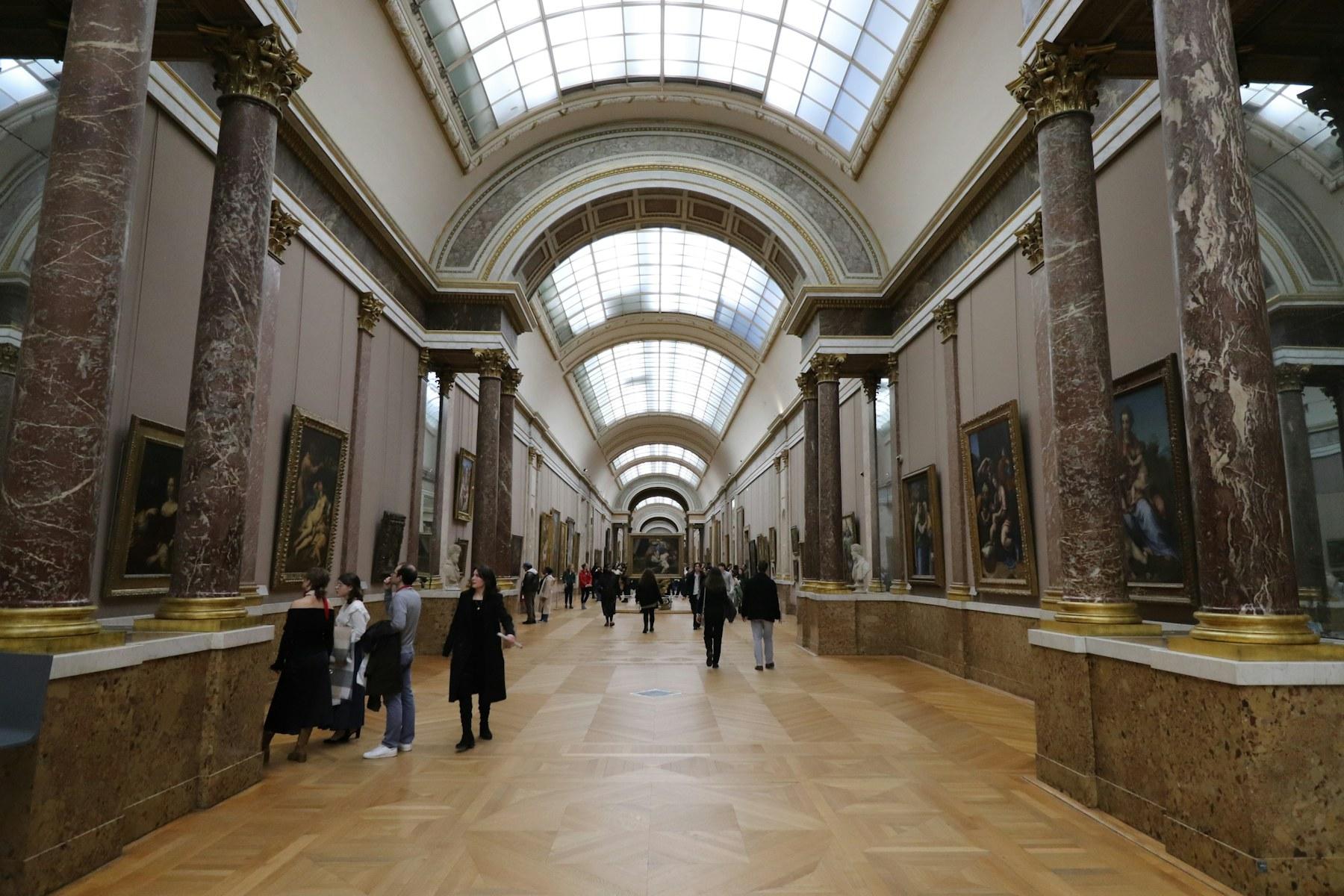
Start with what is free: national museums in many capitals, parks, markets, viewpoints and tip-based walking tours. Pay for one or two sights you care about most rather than many you feel you should see, and check for free days, though rules change: U.S. national park fee-free days are for U.S. residents only from 2026.
- 18
Start with free museums
Smithsonian museums and the British Museum have free general admission. More free things.
- 19
Take a walking tour first
A tip-based tour on day one shows you the city and what is worth paying for.
- 20
Pick two paid sights
Spend the See envelope on what you came for, not on a checklist.
- 21
Check the rules for free days
Free and discounted days often come with conditions, such as residency.
When is the cheapest time to travel?
Usually the shoulder and off-seasons: the weeks just before and after a destination's peak, and its quiet season. Demand is lower, so rooms and tours often cost less, though some places close or run reduced services. Avoid school holidays and big local events unless they are the reason you are going.
- 22
Go in shoulder season
The weeks either side of peak: lower prices, milder crowds. Timing guide.
- 23
Avoid local holidays
Check the destination's own school and public holidays, not just yours.
- 24
Travel midweek
Weekend breaks are popular; the same room on a Tuesday often costs less.
Frequently asked questions
Timing. Moving the same trip from peak weeks into shoulder or off-season usually changes the price of beds, tours and often the journey itself, all at once. After that, staying longer in fewer places saves the most, because it cuts the number of paid journeys and nights spent in transit.
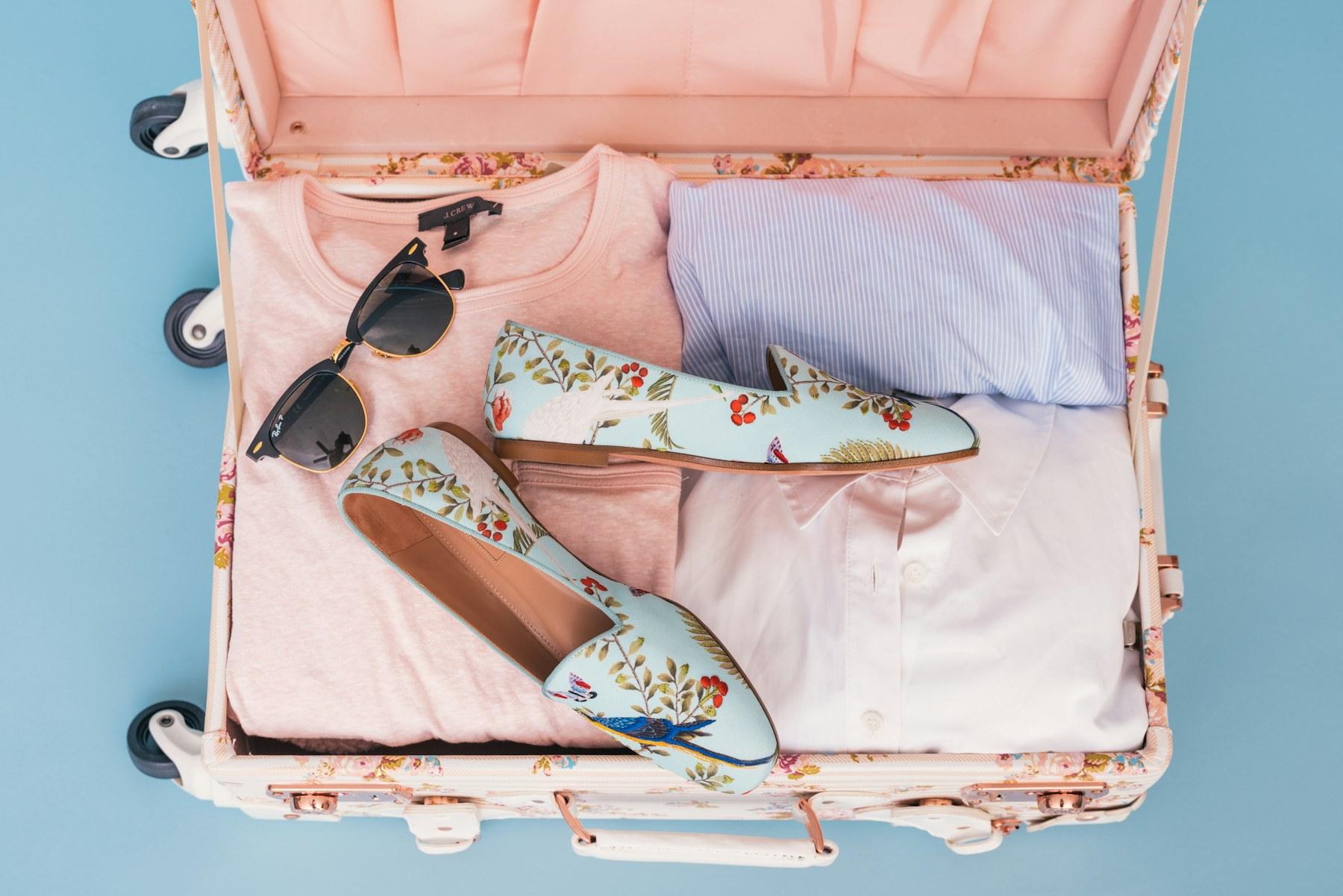
Chargers and plug adapters are among the items travellers most often leave behind, along with medication, toiletries and copies of documents. Forgetting them costs money twice: buying replacements abroad, usually at airport or tourist prices. A short written list checked at the door is the cheapest fix; see our packing guide.
The principles are the same, but the big three shift: rooms that sleep everyone, kitchens, and transport tickets with child fares or free under-age travel. Rail passes, for example, often include free or reduced child passes with an adult. Check each operator's own child rules, because ages and conditions vary.
Sources
- 01Does Capital One have foreign transaction fees?Capital One, checked 26 November 2026
- 02Will I be charged for exchanging foreign currencies?Revolut Help Center, checked 26 November 2026
- 03Visit: museums and zooSmithsonian Institution, checked 26 November 2026
- 04Visit the British MuseumThe British Museum, checked 26 November 2026
- 05Fee-free days for U.S. residents (Presidents Day 2026 release)U.S. National Park Service, February 2026
- 06Interrail pass guideThe Man in Seat 61 (Mark Smith), checked 26 November 2026
Checked November 26, 2026. General information, not financial, insurance or legal advice. We are not a travel agent and no company named pays us. Disclaimer · How we check facts
Related guides
- How to travel on a budgetA nine-step method: set the number, fix the big costs, run each day on an allowance.Read the guide
- Free things to doFree museums, walks, parks and fee-free days, with the 2026 rules.Read the guide
- Packing lightOne bag, a capsule wardrobe and the 3-1-1 rule: no checked-bag fees.Read the guide